
Swiss Alps skiing at a glance
Swiss Alps skiing is not one resort or one pass. The ski areas sit in different regions: Central Switzerland with Engelberg and the Titlis mountain, Valais with the Aletsch Arena and Zermatt, the Bernese Oberland with the Jungfrau region, and Graubünden with St. Moritz. Each area runs its own lifts, timetables and prices, so you plan one area at a time.
Operation depends on the weather. The winter timetable of a railway or cable car shows when it is scheduled to run, not which slopes are open, so look at the lift and slope status of your area on the day you go. If you are still choosing your dates, the page on the best time to visit the Swiss Alps explains how closures and seasons differ by altitude.
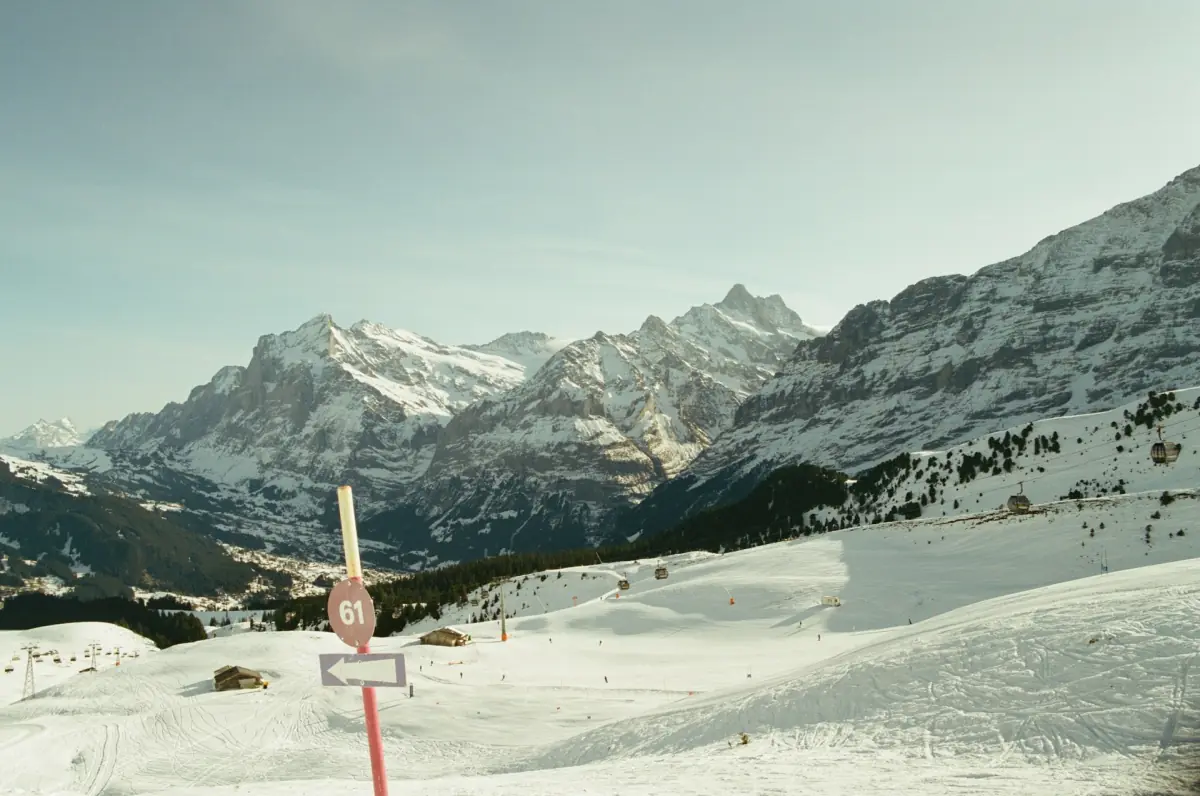
Our pick: a snowshoe tour
This is a guided snowshoe tour, not a skiing product, for days when you want to be out in the snow without skis.
Hand-picked tours, booked through GetYourGuide. Prices are indicative starting prices in Swiss francs (as of October 2026). Tap a tour for live availability and the current price in your currency.
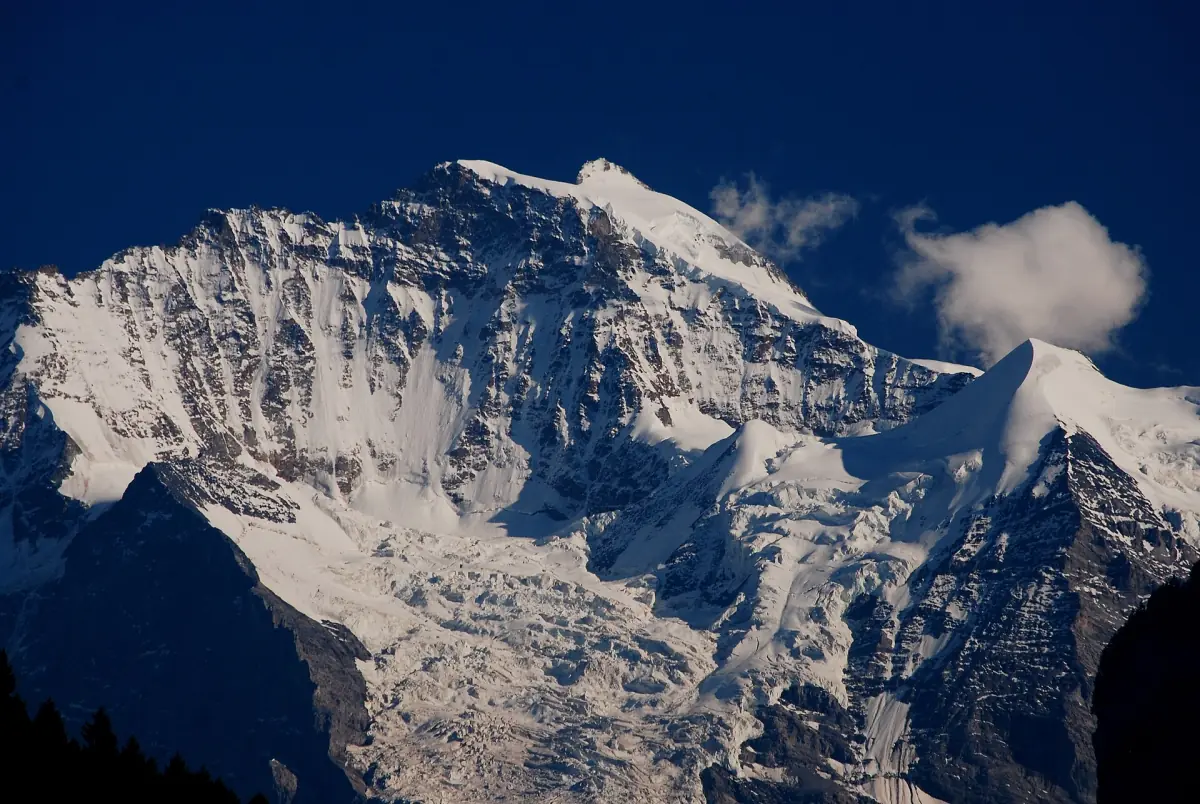
Tours and activities in the Swiss Alps
Day trips, scenic train journeys and activities in the Swiss Alps, with live prices and availability.
Where to ski in the Swiss Alps
Regions in no particular order, with what each one is known for.
Engelberg and Titlis
Engelberg in Central Switzerland is the valley station for the Titlis cable cars. The ski area has several sections, among them Trübsee and Gerschnialp, and day pass prices change with demand.
Aletsch Arena
The Aletsch Arena in Valais lies close to the Aletsch glacier, part of the Jungfrau-Aletsch World Heritage area. It advertises its own ski pass.
Jungfrau region and Zermatt
The Jungfrau region around Grindelwald and Wengen and the car-free village of Zermatt each have their own guides. For the winter side of both, read about Grindelwald in winter and about skiing in Zermatt. St. Moritz in the Engadin is another well-known winter name in Graubünden.
Lift pass prices
At Engelberg-Titlis, day pass prices are dynamic, which means the price you see depends on when you buy and which date you choose. For the Trübsee section the adult, youth and child day passes cost 44, 34 and 18 CHF. For the Gerschnialp section they cost 31, 23 and 12 CHF. These are prices for part of the area, not for the whole ski area, and the age groups follow the operator's own definitions, so check them when you buy.
The Aletsch Arena advertises a ski pass from 53 CHF. Treat this as an entry price, because the pass you need depends on the date and the group you belong to. A ski pass is a separate purchase from your train ticket, and a rail pass does not replace it. A Swiss Half Fare Card gives up to 50 % off on rail, bus, boat and mountain railways, so look at the Swiss Travel Pass page if you plan several rides.
Avalanche safety
Outside marked and secured runs, avalanches are a real risk. The Swiss avalanche warning service SLF publishes an avalanche bulletin and points to the White Risk platform for the current snow and avalanche situation. A static guide such as this page does not replace the bulletin, so read it on the day of your tour and again before you leave the secured area.
If you do not have avalanche training and equipment, stay on marked slopes and trails, or go with a guide.
Snowshoeing and winter hiking
A way to see the mountains in winter without a lift pass.
Not every winter day has to be spent on skis. A guided snowshoe hike on the Wetterhorn Trail starts from Interlaken and lasts about four hours. The tour includes snowshoes and poles, hiking boots, a snack and a drink, transport from Interlaken and a professional guide. Warm winter clothing such as gloves, ski trousers, a jacket and a hat is not included, but you can rent it. Lunch and tips are extra.
Marked winter trails and snowshoe routes follow the same logic as summer routes: check the weather, the avalanche bulletin and the operating status of any lift you rely on. For summer walking and trail markings, see the hiking page. Because the snowshoe tour leaves from Interlaken, our Interlaken guide shows what is nearby.
Getting to the slopes
Most Swiss ski areas can be reached by train and then by bus or cable car, and some villages such as Zermatt are car-free. Read the getting there guide for airports and train connections, and check the winter timetable of the railway that serves your valley, because timetables change between seasons.
Swiss Alps skiing: frequently asked questions
Is there one ski pass for the whole Swiss Alps?
Each ski area sells its own passes, so choose the area first and then the pass that fits your dates.
How much is a day pass at Engelberg-Titlis?
Prices are dynamic. For the Trübsee section the adult, youth and child day passes cost 44, 34 and 18 CHF, and for the Gerschnialp section 31, 23 and 12 CHF. Check the price for your date before you travel.
Can I rely on snow and open runs?
No. Snow, lift operation and open runs depend on the weather and change from day to day. Look at the status of your area on the day you go.
Where do I check avalanche danger?
Use the avalanche bulletin of the SLF and the White Risk platform on the day of your tour. Stay on marked slopes unless you have training, equipment and a guide.
What can I do in winter without skis?
A guided snowshoe hike from Interlaken includes snowshoes, poles, hiking boots, a snack, a drink, transport and a guide. Winter clothing can be rented.